28 May 2026
Charting the Interplay Between App Interfaces and Rapid Query Handling in Wagering on Major Leagues, Classic Races, and Digital Card Tables
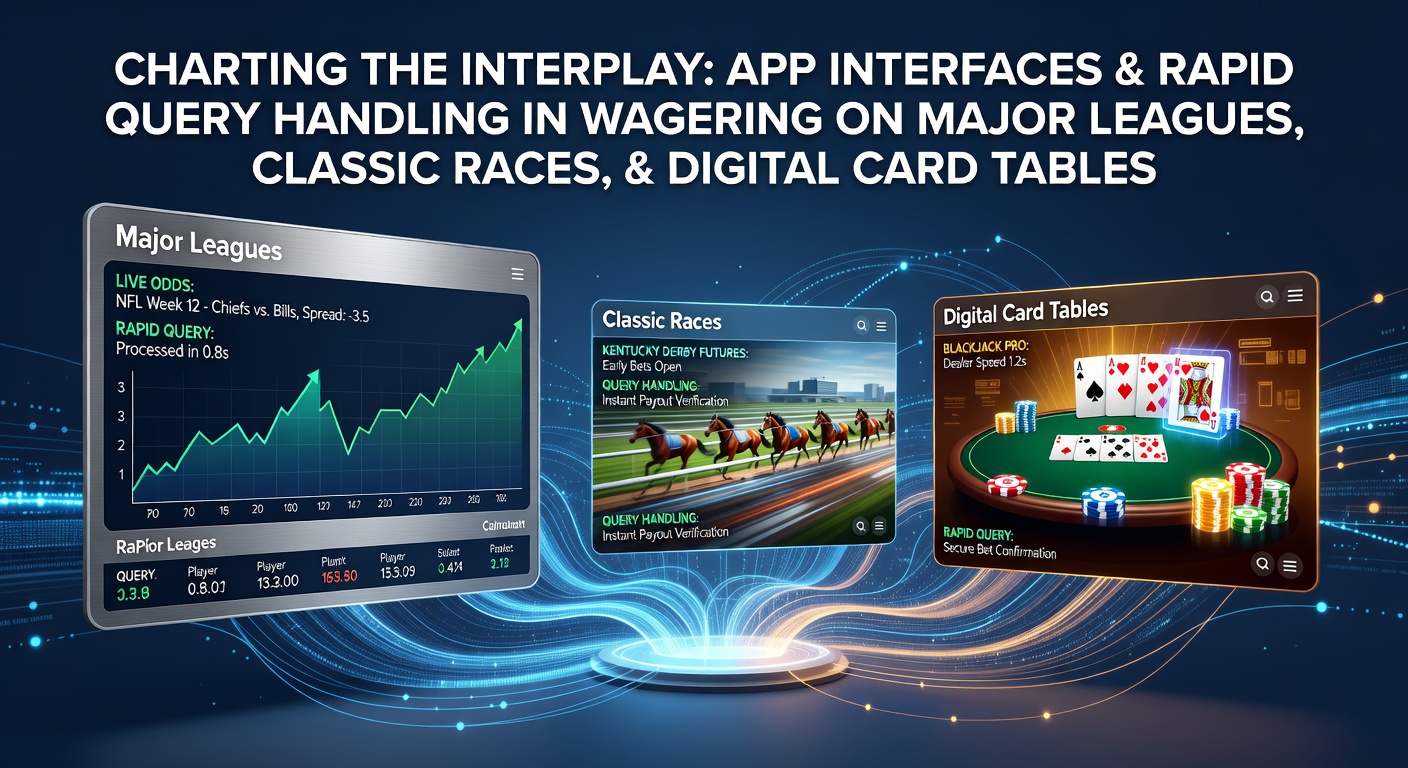
Data from industry tracking services shows that app interfaces now integrate real-time data streams with query response systems to support betting on major soccer leagues, thoroughbred racing circuits, and online card platforms, and this combination has expanded since early 2025. Observers note that seamless navigation menus, live score overlays, and instant bet slip updates connect directly to backend systems that process user requests within milliseconds, allowing participants to adjust wagers during matches or races without delays.
Core Interface Components Driving Query Speed
Design elements such as swipe-based bet builders, collapsible statistics panels, and predictive search bars appear across leading platforms, and these features reduce the steps required to place or modify bets on events like Premier League fixtures or Kentucky Derby prep races. Research indicates that apps employing modular layouts load query results faster because they prioritize cached data for frequently accessed items including team lineups, jockey statistics, and dealer hand histories. According to reports from the Australian Communications and Media Authority, platforms that adopted these modular designs recorded measurable decreases in average response times for in-play soccer and racing queries during the 2025-2026 season.
Color-coded status indicators and voice-command shortcuts further link visual feedback to query handling processes, while users receive confirmation of bet acceptance or odds adjustments without refreshing entire screens. Those who have examined transaction logs find that these interface choices correlate with higher volumes of rapid queries during peak periods such as weekend soccer double-headers and major racing festivals.
Application Across Soccer, Racing, and Card Tables
In major league soccer coverage, interfaces display dynamic odds next to player substitution trackers, and this arrangement lets bettors submit queries about live handicaps or goal scorers that receive immediate system replies. Horse racing sections often feature track condition updates alongside multi-leg accumulator builders, and the same backend handles requests for pace projections or past performance data in under two seconds on most devices. Digital card tables integrate chat windows and rule reference pop-ups directly into the wagering flow, enabling players to query dealer decisions or side bet availability while hands remain active.
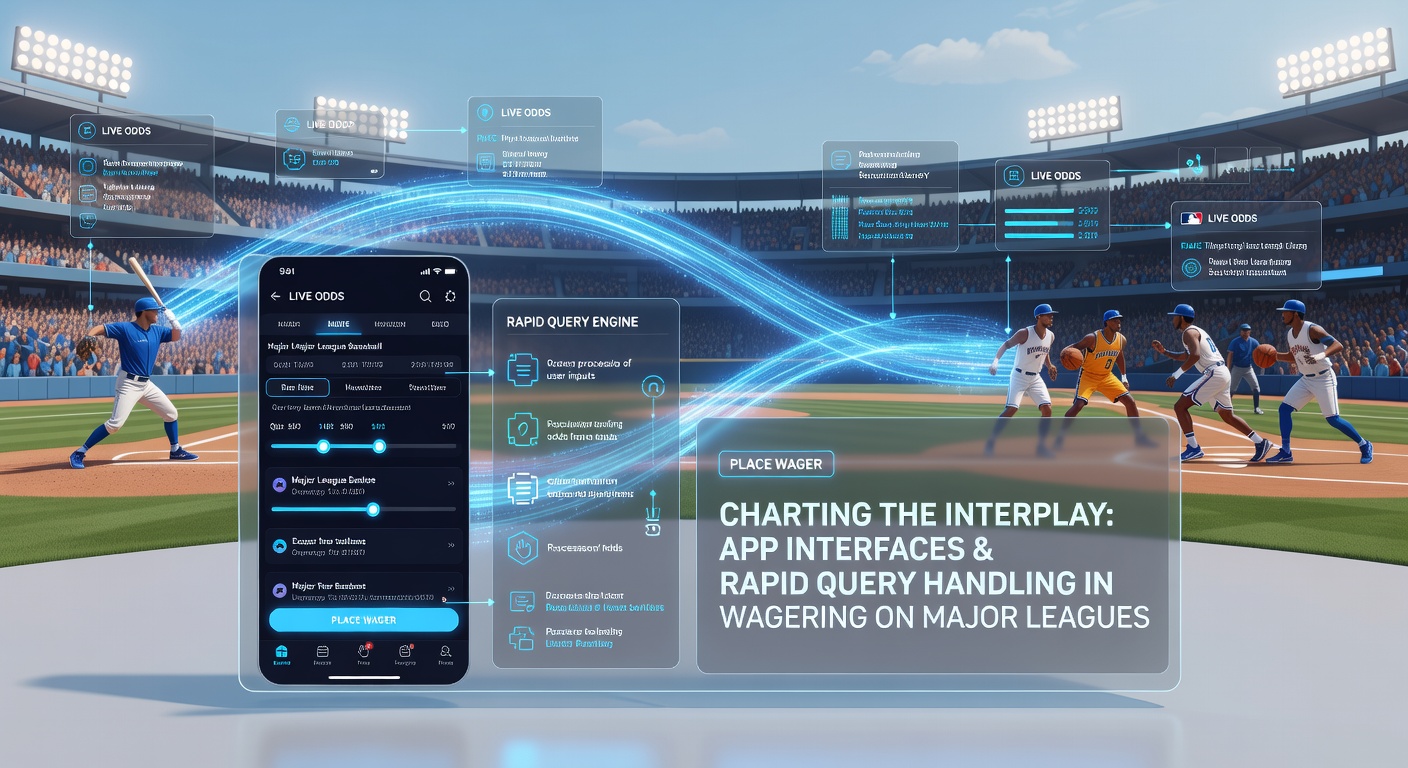
Studies compiled by the University of Nevada, Las Vegas Center for Gaming Research reveal that combined interface-query systems in casino environments processed over 40 percent more concurrent user requests during peak evening hours in May 2026 compared with the previous year. The same analysis notes parallel improvements in racing and soccer apps where predictive loading reduced server calls and shortened confirmation cycles.
Technical Integration and Regulatory Context
Backend architectures rely on API gateways that connect front-end gestures to distributed databases, and these gateways maintain separate channels for different wager types to avoid bottlenecks during simultaneous soccer goal updates and racing photo finishes. Security protocols such as token-based authentication operate alongside the query pipeline, verifying each request while preserving the speed of interface responses. Industry organizations including the European Gaming and Betting Association have documented how standardized data formats across platforms allow operators to maintain consistent performance levels when users switch between league, racing, and table products.
Payment and settlement modules sit within the same interface layer, so queries about withdrawal status or bonus eligibility receive answers without leaving the active betting screen. Data compiled through May 2026 indicates that operators using unified query handling reported fewer support tickets related to interface navigation errors across all three wagering categories.
Future Developments in Unified Systems
Emerging updates focus on artificial intelligence that anticipates common queries based on user location within an app, pre-loading relevant soccer statistics or racing form guides before a request is even submitted. Cross-platform synchronization now extends to wearable devices, letting bettors on mobile apps receive the same rapid responses available on desktop versions during live races or card sessions. Observers tracking adoption rates note that these advancements continue to align interface simplicity with query efficiency as regulatory frameworks in multiple jurisdictions emphasize consumer protection alongside technological access.
Conclusion
The documented connections between refined app interfaces and accelerated query handling continue to shape how participants engage with soccer leagues, classic races, and digital card environments. Available data through mid-2026 demonstrates consistent performance gains when these elements operate together, and ongoing technical refinements suggest further integration across global wagering platforms.