13 Jun 2026
Fluid Interfaces Linking Platform Tools, Support Systems, and Capital Pathways Across Football and Thoroughbred Racing
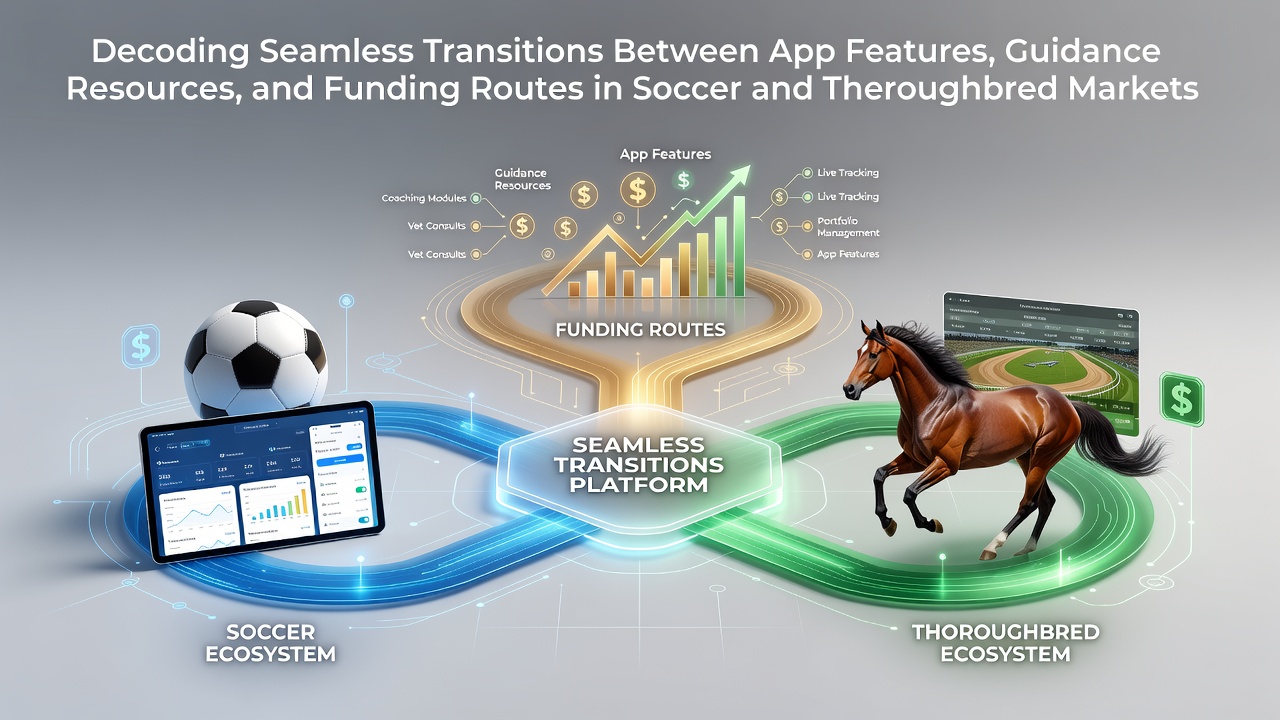
Market participants in soccer and thoroughbred racing sectors encounter layered digital environments where application functions, reference materials, and monetary channels operate as interconnected components rather than isolated modules, and observers note that June 2026 data from multiple exchanges highlights continued growth in cross-feature usage patterns.
Platform Capabilities and Their Interconnections
Application developers design soccer platforms with live match tracking, player statistics overlays, and real-time market adjustments while thoroughbred systems incorporate race form databases, pace analysis modules, and jockey performance metrics, yet the transition between these tools relies on unified navigation structures that reduce friction during user sessions. Research from the Australian Gambling Research Centre indicates that integrated dashboards allow participants to move from match preview sections directly into funding interfaces without exiting the primary workflow.
Those who monitor platform metrics report that soccer applications frequently embed quick-switch toggles between pre-match and in-play sections, whereas thoroughbred platforms emphasize seamless handoffs from race replay libraries to betting slip population tools, and both approaches share common backend protocols that synchronize user preferences across modules.
Guidance Resources Embedded Within Applications
Educational content appears in context-sensitive formats including rule summaries that populate during market selection, video tutorials accessible from account dashboards, and regulatory disclosure panels that update automatically when funding amounts exceed preset thresholds, and data collected through June 2026 shows higher completion rates for users who encounter these resources at decision points rather than in separate menu layers.
Industry reports compiled by the National Council on Problem Gambling in the United States reveal that soccer platforms often surface responsible gaming prompts alongside deposit confirmation screens, while thoroughbred applications integrate similar notices within withdrawal request flows, creating parallel support structures that maintain consistency across both market types.
Funding Routes and Transaction Continuity
Payment gateways in these sectors support multiple methods including bank transfers, digital wallets, and card networks, with application code designed to retain session context when users shift from wager placement to balance management, and figures released by the Canadian Centre for Addiction and Mental Health demonstrate that platforms maintaining persistent cart states experience fewer abandoned transactions during funding steps.
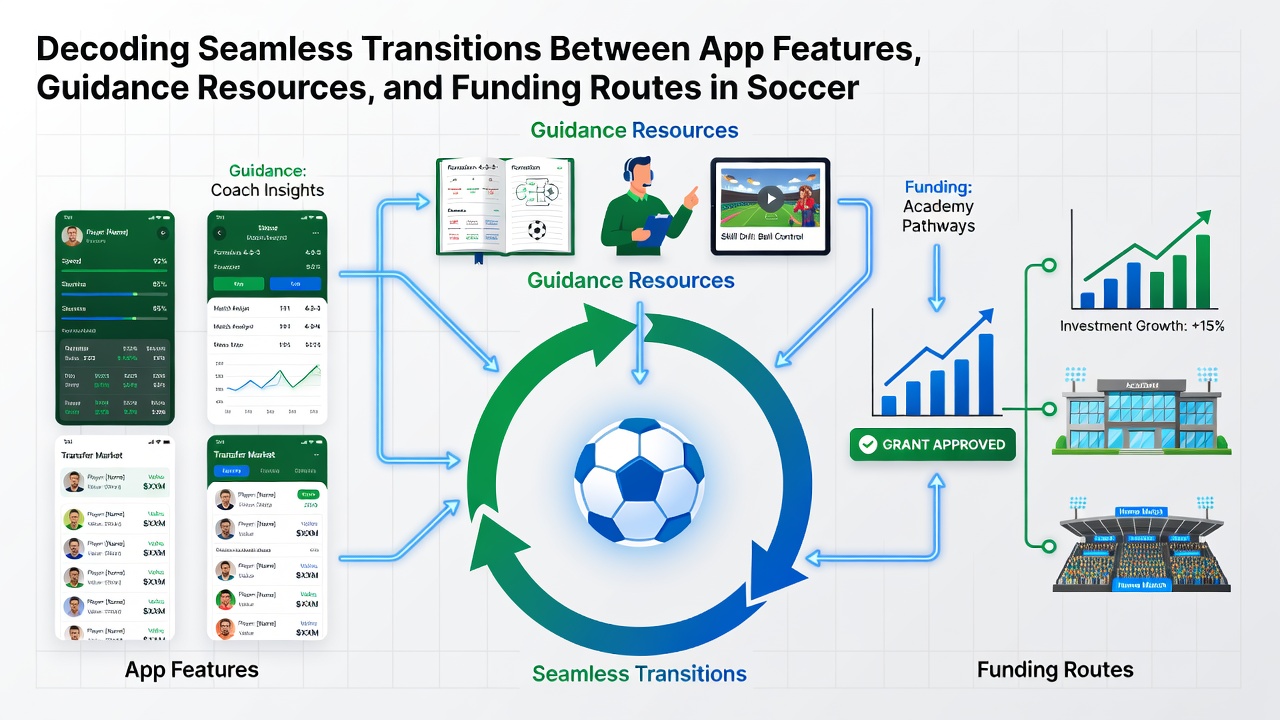
Thoroughbred market operators frequently route users through verification checkpoints before large transfers, whereas soccer platforms prioritize speed for smaller recurring deposits, yet both maintain audit trails that feed into the same compliance reporting engines, allowing regulatory bodies in various jurisdictions to track activity without disrupting the participant experience.
Case Patterns Observed Across Markets
One documented workflow involves a participant reviewing team lineups in a soccer application, consulting an embedded form guide for an upcoming thoroughbred race, then completing a deposit that automatically updates available balances across both sections, and similar sequences appear in aggregated usage statistics from European trading data providers.
Another observed pattern shows users accessing historical performance archives in thoroughbred sections before transferring funds to soccer live markets, with application architecture preserving filter settings and search histories during these shifts to minimize repetitive inputs.
Technical Standards Supporting Transitions
Developers adhere to API frameworks that enable real-time data exchange between feature sets, support materials, and transaction processors, while security protocols such as token-based authentication persist across navigation events to prevent repeated logins, and June 2026 infrastructure reviews indicate widespread adoption of these standards among major platform operators.
Testing protocols employed by independent auditors confirm that error handling routines redirect users to appropriate guidance pages when funding attempts encounter temporary network issues, thereby maintaining continuity rather than terminating sessions abruptly.
Conclusion
Application ecosystems serving soccer and thoroughbred markets continue to refine the linkages between functional tools, reference content, and monetary pathways, with usage data from mid-2026 underscoring measurable improvements in session retention when these elements operate as coordinated systems rather than discrete components.