16 May 2026
Integrated Help Systems Propelling Swift Fund Movements in Online Sportsbooks and Casino Platforms
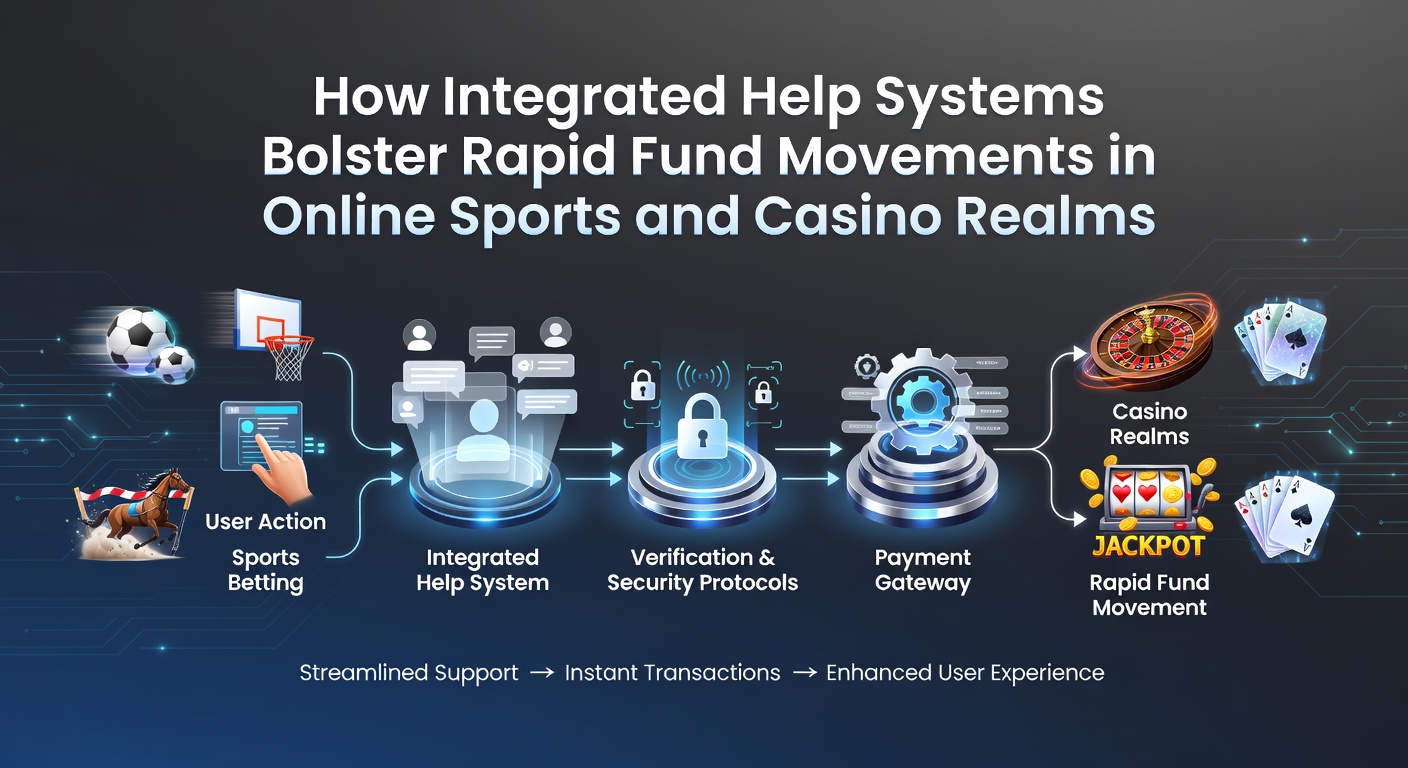
Integrated help systems combine customer support tools with payment processing workflows so users encounter fewer delays when moving funds between accounts and betting platforms. These frameworks link live chat functions, automated verification bots, and account management portals directly to banking gateways, which allows issues like identity confirmation or transaction queries to resolve without separate queues or manual handoffs. Observers note that platforms adopting such unified architectures report transaction completion rates climbing steadily through 2025 and into May 2026, particularly in soccer markets and live dealer environments where timing affects odds and table participation.
Core Components of Integrated Assistance Frameworks
Modern systems embed AI-driven chat interfaces that pull real-time data from both user profiles and payment processors, enabling agents or bots to approve deposits or flag withdrawal holds within seconds rather than hours. Research from industry groups shows these setups reduce average resolution time for payment disputes by connecting support logs directly to ledger systems, so agents see transaction histories without switching screens. People who manage high-volume accounts often discover that once verification occurs through the integrated portal, subsequent transfers clear faster because the system retains session data across deposit and payout stages.
Additional layers include self-service knowledge bases that surface context-specific answers about e-wallet limits or card authorization codes, while behind the scenes the same database feeds compliance checks to regulatory reporting modules. Data from European operators indicates that platforms using these layered tools experienced a measurable uptick in successful instant withdrawals during the first quarter of 2026 compared with earlier periods when support operated as a separate silo. What's interesting is how the architecture prevents the common bottleneck where users must repeat details to multiple departments before funds release.
Impact on Deposit and Withdrawal Speeds
Operators report that integrated systems allow deposits via bank transfers or digital wallets to confirm almost immediately once the help layer validates the source account. In racing and casino sections, this means bettors can place wagers during live events without waiting for separate approval steps. Figures from market analyses reveal that average deposit processing dropped below 30 seconds on platforms with full integration, whereas fragmented support models still averaged over two minutes for the same actions. Those who've studied transaction logs note that the reduction stems from automated handshakes between the help module and payment rails, eliminating repeated authentication prompts.
Withdrawals benefit similarly when support teams access unified dashboards showing KYC status, bonus wagering progress, and pending holds in one view. A single interaction can clear a flagged withdrawal that previously required escalation through three departments. According to records compiled by the Australian Communications and Media Authority, jurisdictions tracking these metrics saw withdrawal completion rates improve by roughly 18 percent year-over-year through early 2026 once operators standardized integrated support protocols. The ball's in the platform's court to maintain uptime on these connections, yet operators who invest in the infrastructure consistently post stronger user retention tied to reliable cash flow.
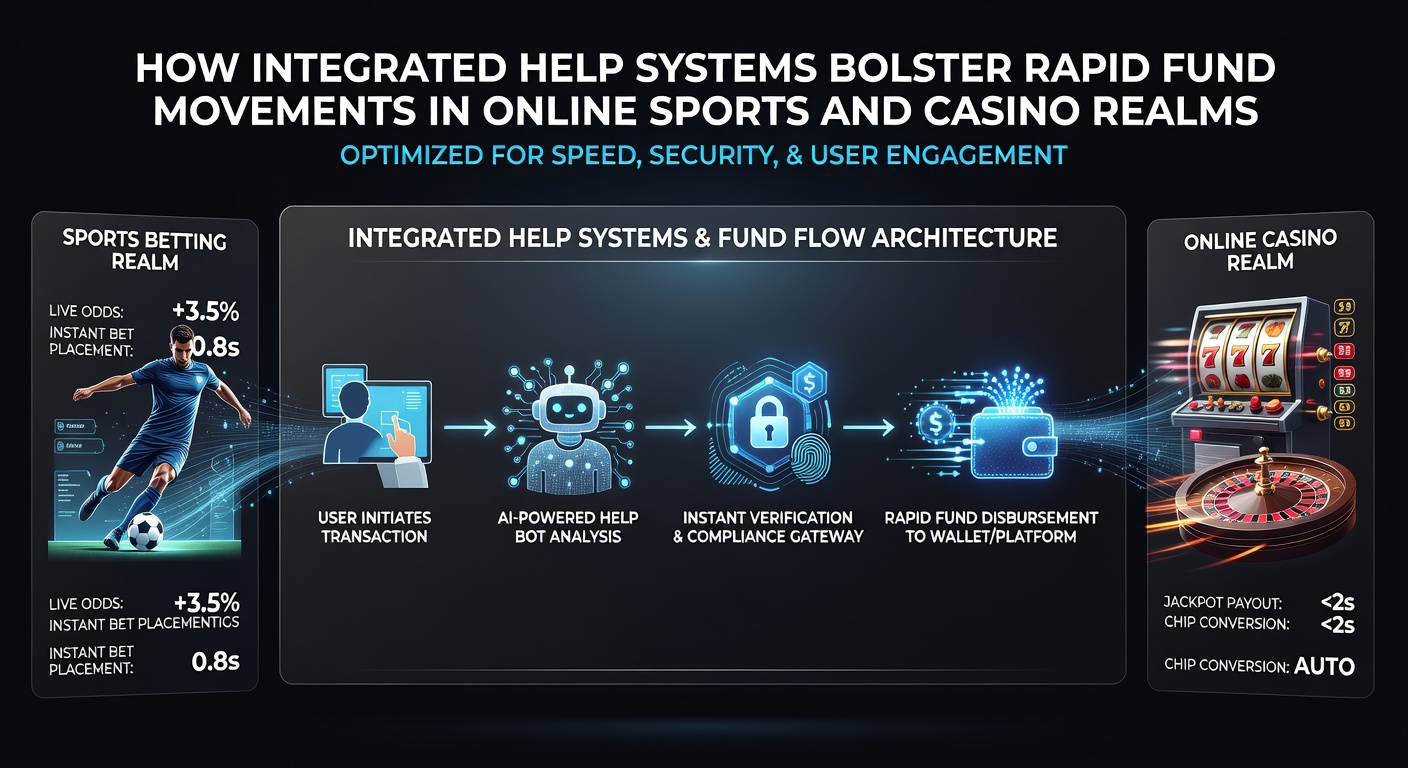
Role in Regulatory Compliance and Dispute Resolution
Help systems that sit inside the same data environment as transaction engines help operators meet reporting requirements without slowing user activity. When a regulatory query arises, teams retrieve complete audit trails instantly rather than reconstructing events from disconnected logs. Observers tracking North American markets point out that states with strict iGaming rules have seen fewer compliance delays on platforms that route support queries through centralized systems. This matters because unresolved disputes can freeze funds for days, whereas integrated tools surface the necessary documentation during the initial conversation.
Take one operator in a regulated Canadian province that linked its chat service to both banking partners and internal compliance software. Researchers discovered that the average time to resolve a disputed withdrawal fell from 48 hours to under four hours after deployment. Such outcomes appear across multiple case studies, showing how the architecture supports rapid fund movements while satisfying oversight bodies that demand transparent records. The reality is that seamless data sharing inside these systems turns what used to be sequential processes into parallel ones, keeping capital in motion for users who meet all verification thresholds.
Future Trends Observed in Mid-2026
By May 2026 several major platforms had begun testing predictive support modules that anticipate common payment questions based on user behavior patterns before funds even leave the wallet. These tools surface preemptive guidance inside the betting interface itself, which further compresses the window between intent and completed transfer. Industry reports compiled by the American Gaming Association indicate growing adoption of such proactive layers among operators handling both sports and casino verticals, with early adopters noting sustained improvements in transaction velocity. Yet the same data highlights that smaller platforms still lag when legacy support structures remain disconnected from core payment flows.
Conclusion
Integrated help architectures continue to reshape how quickly capital moves through online sports and casino environments by collapsing traditional gaps between assistance and transaction processing. As data from multiple regions demonstrates, platforms that embed support functions inside payment workflows achieve faster verification cycles, fewer stalled withdrawals, and stronger compliance postures. Observers expect this trend to accelerate through the remainder of 2026 as more operators recognize the direct link between unified assistance tools and reliable fund movement for their users.