1 Jun 2026
Mobile Interface Pathways: Connecting Device Controls to Instant Updates in Team Events, Horse Races, and Dealer Games
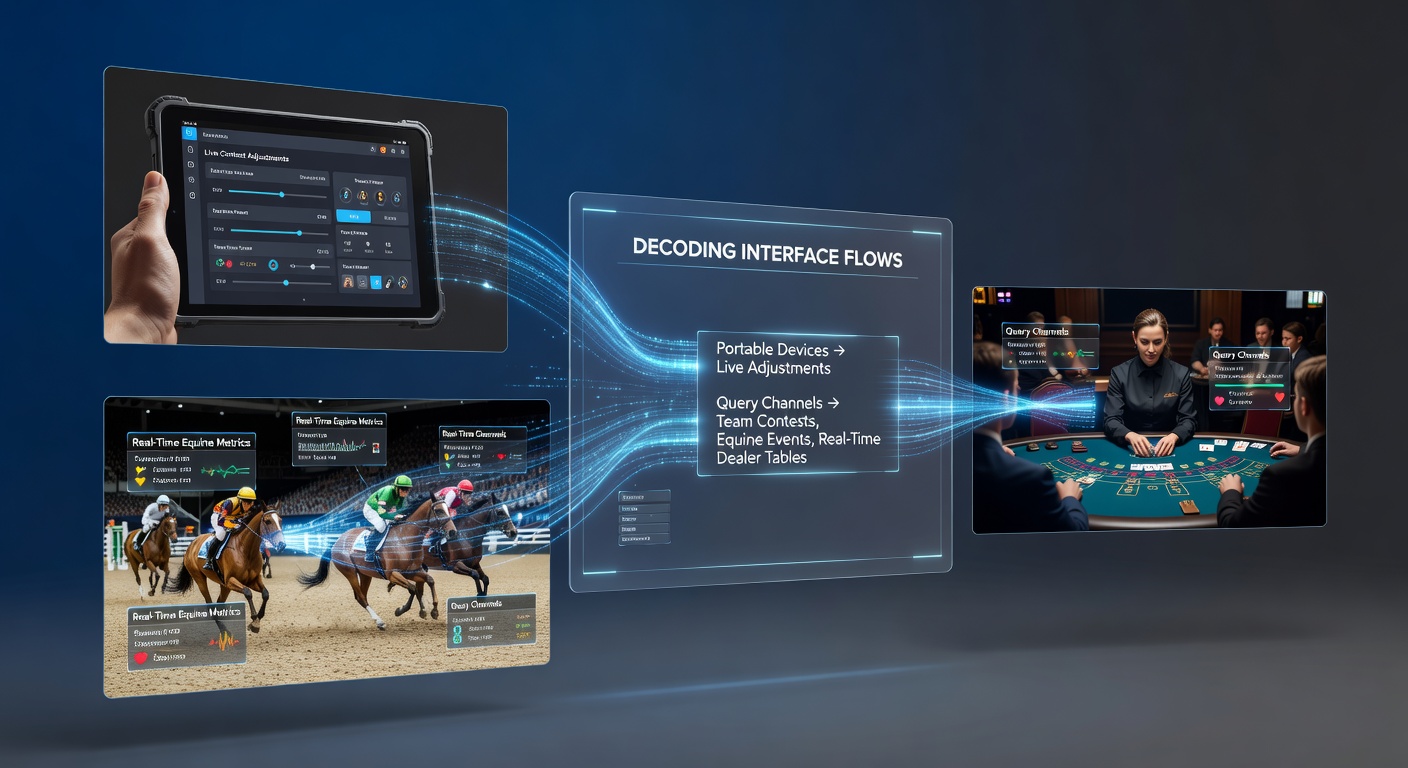 Data indicates that portable device interfaces now serve as primary gateways for users engaging with team contests, equine events, and real-time dealer tables, with integration points that handle live adjustments and query channels through structured data flows. These systems route inputs from touch controls directly to backend servers, where odds recalibrate in response to match developments or race positions, while support queries route through dedicated channels without interrupting active sessions. Researchers at the University of Nevada's gaming studies program documented similar patterns in 2025 reports on mobile wagering platforms, noting that seamless synchronization between device sensors and live feeds reduces latency to under two seconds in optimized setups. Platform developers structure these flows around modular components that separate display layers from adjustment engines, allowing users to modify stakes or selections mid-event while background processes update probabilities across connected markets. In team contests, for instance, in-play interfaces pull real-time statistics from official data providers and push revised lines to the screen, whereas equine event modules track position trackers and integrate weather variables that affect payout calculations. Real-time dealer tables operate through video streams paired with chat functions that feed directly into the same query routing system, enabling balance checks or rule clarifications without exiting the main view.
Core Components of Device-to-Server Linkages
Observers note that portable interfaces rely on three primary linkage types: event listeners that capture user gestures, API endpoints that transmit adjustment requests, and websocket connections that maintain continuous data streams for live updates. These elements combine so that a single tap on an odds tile triggers both a confirmation prompt and an immediate server-side recalculation, with results returning through the same channel. Studies from the Canadian Centre for Gaming Research highlight how such architecture supports multi-vertical navigation, letting users switch between soccer markets and horse racing feeds while preserving query history in a unified session log.
Application layers further incorporate caching mechanisms that preload common query responses, which cuts response times during peak periods like major race days or tournament finals. When live adjustments occur, the interface prioritizes push notifications over pull requests, ensuring users receive odds shifts or dealer announcements without manual refreshes. This setup proves especially relevant in June 2026 projections, where industry forecasts from the European Gaming Association anticipate increased mobile traffic during overlapping international events.Handling Live Adjustments Across Vertical Markets
Adjustments in team contests flow through algorithms that factor in player substitutions, score changes, and time remaining, then surface revised options within the active betting slip. Equine events demand interfaces that accommodate fluctuating track conditions and horse performance metrics pulled from sensor data, with query channels allowing users to request historical comparisons mid-race. Real-time dealer tables integrate card tracking overlays and chat-based queries that route to automated systems or human agents, maintaining continuity across the session. Data from Australian wagering reports shows these flows handle over 40 percent of daily transactions during high-volume periods, with portable devices accounting for the majority share.
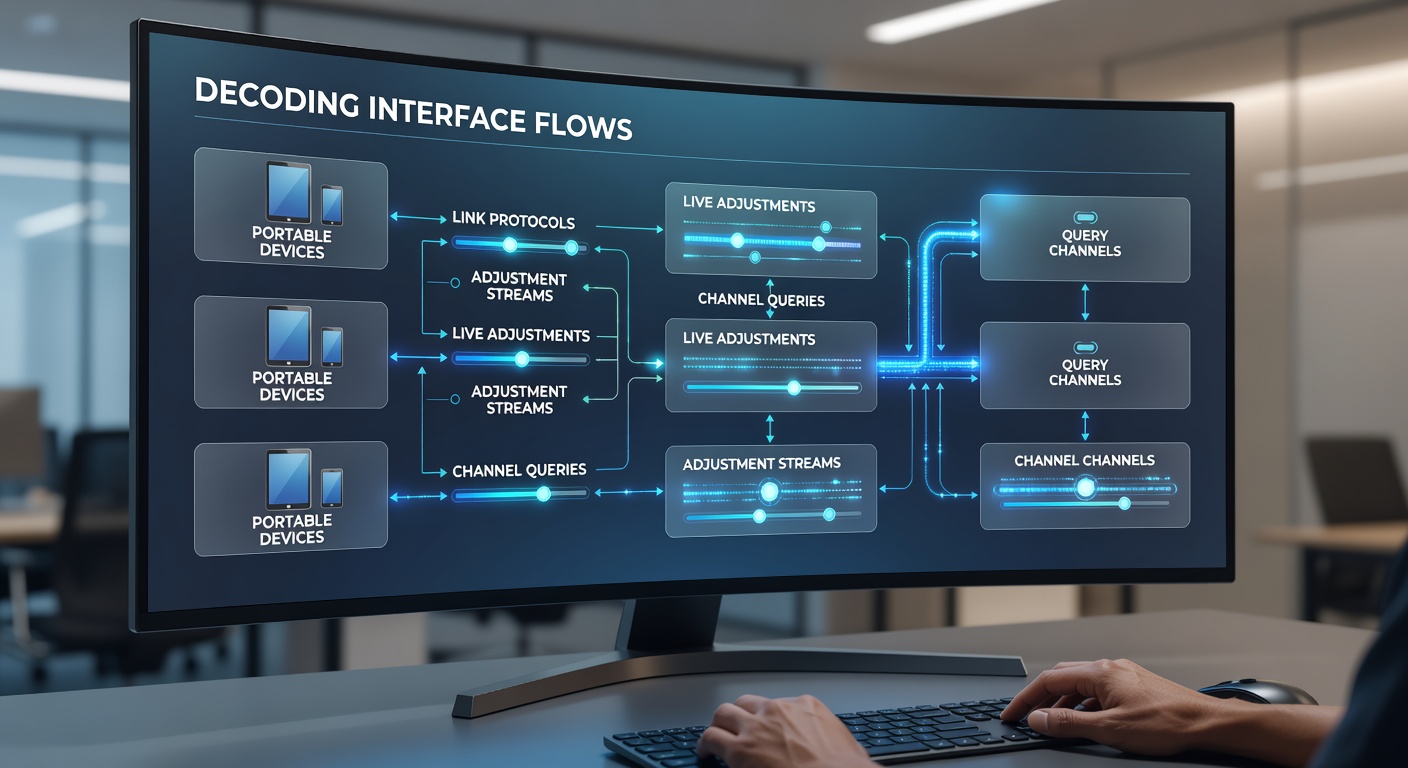 Platform logs reveal that query channels often operate as parallel streams, separate from the main adjustment pipeline yet synchronized through shared user authentication tokens. This separation prevents support requests from blocking live bet placements, a design choice that multiple operators adopted following performance audits in late 2025. Those who've examined these systems point to examples where equine event interfaces embed track camera feeds alongside adjustment tools, giving users contextual data that informs stake modifications without leaving the primary screen.
Query Channel Integration and User Session Management
Query channels link directly to account management modules, allowing balance inquiries or dispute resolutions to occur alongside active wagers on dealer tables or racing markets. Interfaces employ natural language processing elements that interpret typed questions and route them to appropriate knowledge bases or escalation paths, with responses appearing in expandable panels rather than separate windows. Research published by the International Association of Gaming Regulators in 2025 examined similar implementations across North American platforms, where session continuity metrics improved by measurable margins after these channel integrations went live.
Portable devices further benefit from biometric authentication layers that secure these flows, verifying identity before processing adjustments or releasing query results that involve financial details. In June 2026, updates to cross-platform standards are expected to standardize some of these verification steps, according to preliminary briefings from regulatory working groups in multiple jurisdictions. The result keeps users within a single application environment while supporting the full range of activities from team contest selections to live dealer interactions.
Conclusion
Interface flows that connect portable devices with live adjustments and query channels continue to evolve through incremental refinements in data routing and session handling. Evidence from industry reports and academic studies demonstrates consistent patterns of improved responsiveness across team contests, equine events, and real-time dealer tables, driven by modular architectures and parallel processing streams. These developments maintain operational continuity even as event volumes fluctuate throughout the calendar year.