16 Jul 2026
Navigating Digital Transaction Routes in Online Sports, Racing, and Gaming Platforms
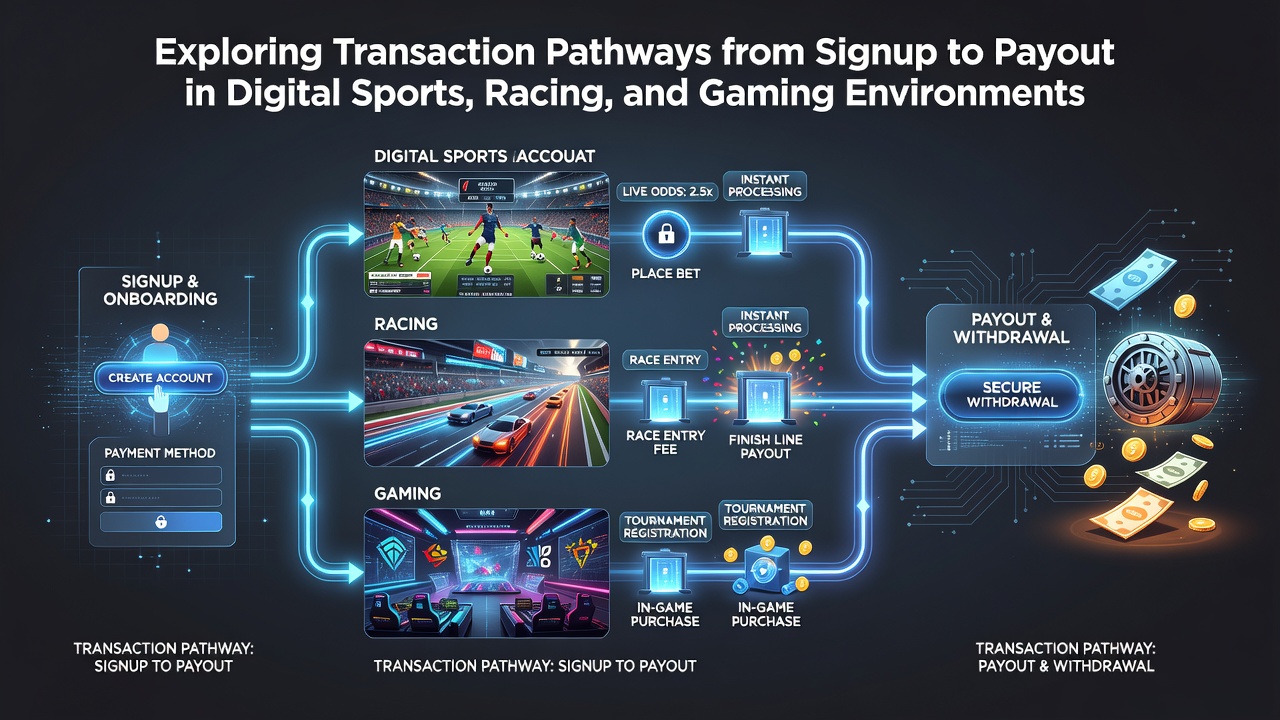
Digital environments for sports betting, horse racing, and interactive gaming operate through structured transaction sequences that begin with user registration and extend through deposits, wagers, and eventual disbursements. These pathways incorporate verification steps, payment processing, and compliance checks that vary by jurisdiction and platform design. Data from regulatory filings and industry reports indicate steady growth in transaction volumes across these sectors through mid-2026.
Account Creation and Identity Verification Steps
Registration processes require users to submit personal details including name, address, date of birth, and contact information before accessing betting or gaming features. Platforms then initiate know-your-customer protocols that cross-reference submitted data against government databases and watchlists. Automated systems often complete initial checks within minutes, while manual reviews for flagged accounts may extend to several hours or days depending on document complexity. As of July 2026, many operators integrate biometric options such as facial recognition or fingerprint scanning to streamline subsequent logins and reduce repeat verification demands.
Successful verification unlocks deposit capabilities and determines available payment methods based on user location. Unverified accounts typically remain restricted to browsing only, with no wagering or withdrawal functions enabled until all required documentation receives approval.
Deposit Methods and Funding Timelines
Common funding channels include credit and debit cards, e-wallets, bank transfers, and prepaid vouchers, each carrying distinct processing speeds and fee structures. Card transactions frequently settle instantly, allowing immediate play, whereas bank transfers can require one to three business days for funds to appear in player accounts. Digital wallets often provide balance updates within seconds while maintaining separate ledgers for gambling activity to aid record-keeping.
Minimum deposit thresholds range from five to twenty units of local currency across major platforms, with maximum limits set according to risk profiles and regulatory caps. Promotional credits sometimes appear alongside deposits when users meet specific bonus terms, though these funds follow separate withdrawal rules until wagering requirements clear.
Bet Placement and In-Play Transaction Handling
Once accounts hold sufficient balances, users select events in sports, racing, or gaming sections and confirm stake amounts through order interfaces. Systems deduct funds at the moment of bet confirmation, generating digital receipts that track odds, potential returns, and settlement status. Live betting environments update odds continuously, which can trigger additional transactions if users adjust positions mid-event.

Racing platforms process bets on individual horses or outcomes with settlement occurring shortly after race completion, while sports books may delay finalization until official results receive confirmation from governing bodies. Gaming environments such as table games or slots deduct stakes per round and credit wins automatically, maintaining running totals visible on screen. Transaction logs remain accessible through account histories for auditing and dispute resolution purposes.
Withdrawal Requests and Disbursement Procedures
Users initiate cashouts by selecting verified payment methods and specifying amounts up to available balances after any pending bets settle. Platforms apply security holds ranging from 24 to 72 hours on first withdrawals or large sums to complete additional identity confirmations. Approved requests then route through the original deposit channel whenever possible, with e-wallets often completing transfers within hours and bank methods taking two to five days.
Fees apply on certain channels or when withdrawal frequency exceeds monthly allowances, though many operators absorb costs for standard methods. Regulatory frameworks in various regions require operators to maintain segregated player funds and publish average payout times, which data from the American Gaming Association shows averaging under 48 hours for verified accounts in compliant markets. Similar metrics appear in reports from the Australian Gambling Research Centre, where electronic transfer speeds continue to improve through updated banking integrations.
Security Protocols and Compliance Integration
Encryption standards protect data during every transaction stage, while monitoring algorithms flag unusual patterns such as rapid deposit-withdrawal cycles or mismatched locations. These systems support anti-money laundering requirements and responsible gambling tools that can impose temporary spending limits or self-exclusion periods. Platforms must retain detailed records for periods specified by local laws, enabling audits and player disputes to reference complete transaction histories.
Conclusion
Transaction pathways in digital sports, racing, and gaming environments follow consistent sequences shaped by verification, funding, activity, and payout stages. Technological advances and regulatory updates continue to influence processing speeds and available options, with data indicating ongoing refinements through 2026. Observers tracking these flows note that platform-specific implementations determine the exact duration and friction points users encounter from initial signup to final disbursement.