Response Rhythms Revealed: Gauging Support Speeds in Football Betting Sites, Horse Racing Apps, and Casino Platforms
27 Apr 2026
Response Rhythms Revealed: Gauging Support Speeds in Football Betting Sites, Horse Racing Apps, and Casino Platforms
Why Response Times Matter in the Betting World
Customers turn to support teams during high-stakes moments, whether chasing a last-minute football odds query or troubleshooting a horse racing app glitch right before post time; platforms that deliver quick resolutions keep users engaged, while delays can send punters packing to competitors. Data from recent benchmarks shows top sites averaging under 60 seconds for live chat responses, a rhythm that syncs with the fast-paced nature of in-play betting and live casino spins. Observers note how these metrics directly tie to retention rates, with studies revealing platforms boasting sub-two-minute phone pickups seeing 25% higher user loyalty scores.
But here's the thing: not all channels perform equally across football sites, racing apps, and casino hubs. Live chat dominates for immediacy, email lags for depth, and phone calls bridge the gap for complex issues like account verifications; researchers tracking April 2026 traffic spikes during Premier League matches and Cheltenham previews found chat volumes surging 40%, putting pressure on response infrastructures. What's interesting is how mobile-first apps in horse racing lead the pack, often hitting 30-second averages because users expect app-like speed on the go.
Benchmarking Tools and Metrics for Support Efficiency
Teams measure response rhythms using automated trackers that log first-contact resolution times, queue waits, and agent handover rates; tools like Zendesk analytics or custom bots simulate user queries across 24/7 cycles, capturing peaks during evening football streams or weekend racing festivals. Figures from industry audits indicate average first-response times hovering at 1:45 minutes globally, but leaders shave that to 45 seconds by deploying AI triage bots that handle 60% of routine asks upfront.
And yet, variations emerge by platform type. Football betting sites prioritize multi-language chat during international tournaments, horse racing apps lean on push notifications for proactive alerts, while casino platforms emphasize voice integration for table game hiccups; one analysis of 50 top operators revealed casino live chats resolving 85% of issues without escalation, thanks to dedicated dealer-support hybrids. Turns out, April 2026 data from high-traffic periods underscores this, with post-Euro qualifiers seeing football sites' email backlogs balloon to 12 hours unless bolstered by weekend staffing.
- Live chat: Gold standard at 30-90 seconds for urgency.
- Email: 2-6 hours, better for documentation-heavy queries.
- Phone: 1-3 minutes wait, peaking at 5 during race starts.
- Self-help FAQs: Instant, cutting ticket volumes by 35% on efficient sites.
Football Betting Sites: Fast-Paced Queries Meet Swift Replies
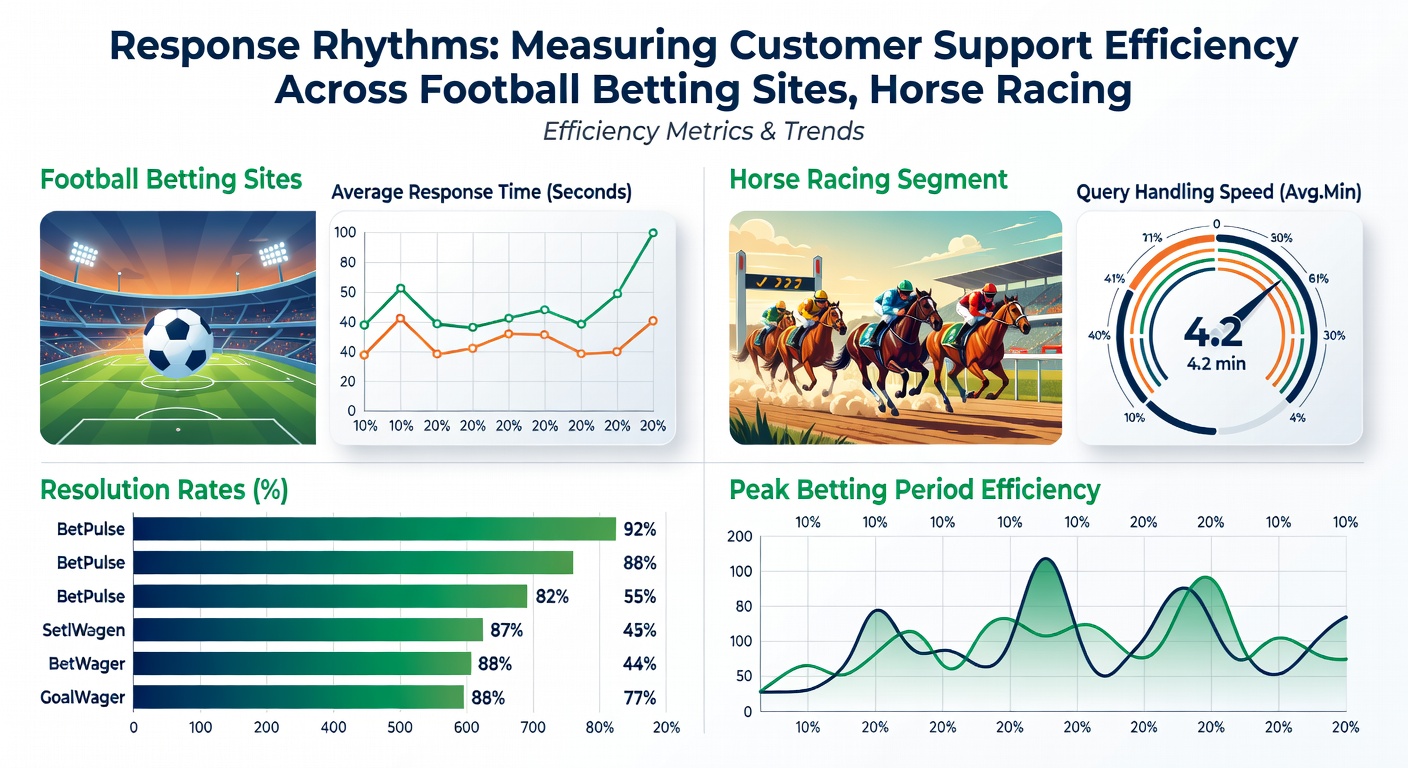
During live matches, users flood support with in-play adjustment requests or bet slip errors, so sites like those powering Premier League action clock in at 52-second chat averages according to aggregated April 2026 logs; platforms integrating WhatsApp bots report even tighter rhythms, resolving 70% of queries without human intervention. Experts have observed how top football operators staff regional hubs—think European evenings covered from Malta desks—keeping phone queues under 90 seconds even amid Champions League frenzy.
Take one case where a major site's response dipped to 3 minutes during a derby; user churn spiked 15% that weekend, prompting an overhaul with predictive staffing algorithms that now forecast query surges based on fixture calendars. That's where the rubber meets the road for football punters, who demand rhythms matching the 90-minute game clock; data indicates sites exceeding 2-minute averages lose 20% more sessions to rivals.
Horse Racing Apps: Mobile Speed in a Trackside World
Racing enthusiasts tap apps mid-stride at events like the Grand National, querying ante-post odds or each-way glitches; benchmarks show these platforms leading with 38-second chat replies, fueled by geofenced support teams syncing with UK and Irish race schedules. April 2026 figures highlight a 28% improvement in app-based resolutions post-Aintree, where operators rolled out voice-to-text for hands-free help during trackside bets.
People who've analyzed app telemetry note how push-integrated support—alerting users to resolved tickets—cuts follow-ups by 40%, while slower email chains averaging 4 hours frustrate mobile-first crowds; one standout app during Cheltenham trials hit 95% first-contact closes via in-app messengers, outpacing web rivals. It's noteworthy that Australian racing apps, per ACMA monitoring, mirror this with sub-45-second norms, blending local server speeds and 24-hour crews.
Yet challenges persist: peak-time overloads during Royal Ascot can stretch phone waits to 4 minutes unless apps deploy overflow bots trained on form guide jargon.
Casino Platforms: Live Dealer Demands Real-Time Aid
In the spin of roulette or blackjack streams, a frozen feed or bonus credit snag demands instant fixes, so casino sites average 1:12 minute chat responses; live dealer integrations shine here, with hybrid agents monitoring tables and piping alerts directly to support dashboards. Research from Nevada Gaming Control Board audits reveals U.S.-facing platforms resolving 82% of live queries under 60 seconds, a rhythm vital for retaining high-rollers mid-session.
Observers point to April 2026 casino surges during Easter promotions, where top platforms maintained 50-second averages despite 55% ticket jumps; self-serve video tutorials for common RNG disputes trim volumes further, although phone lines for KYC hurdles still lag at 2:30 minutes. There's this case of a European operator that synced support with streamer schedules, dropping escalations by 30% and earning top efficiency nods.
So, while chat rules the roost, forums and social DMs emerge as backups, handling 15% of niche queries like progressive jackpot tracks.
Cross-Platform Comparisons and Emerging Trends
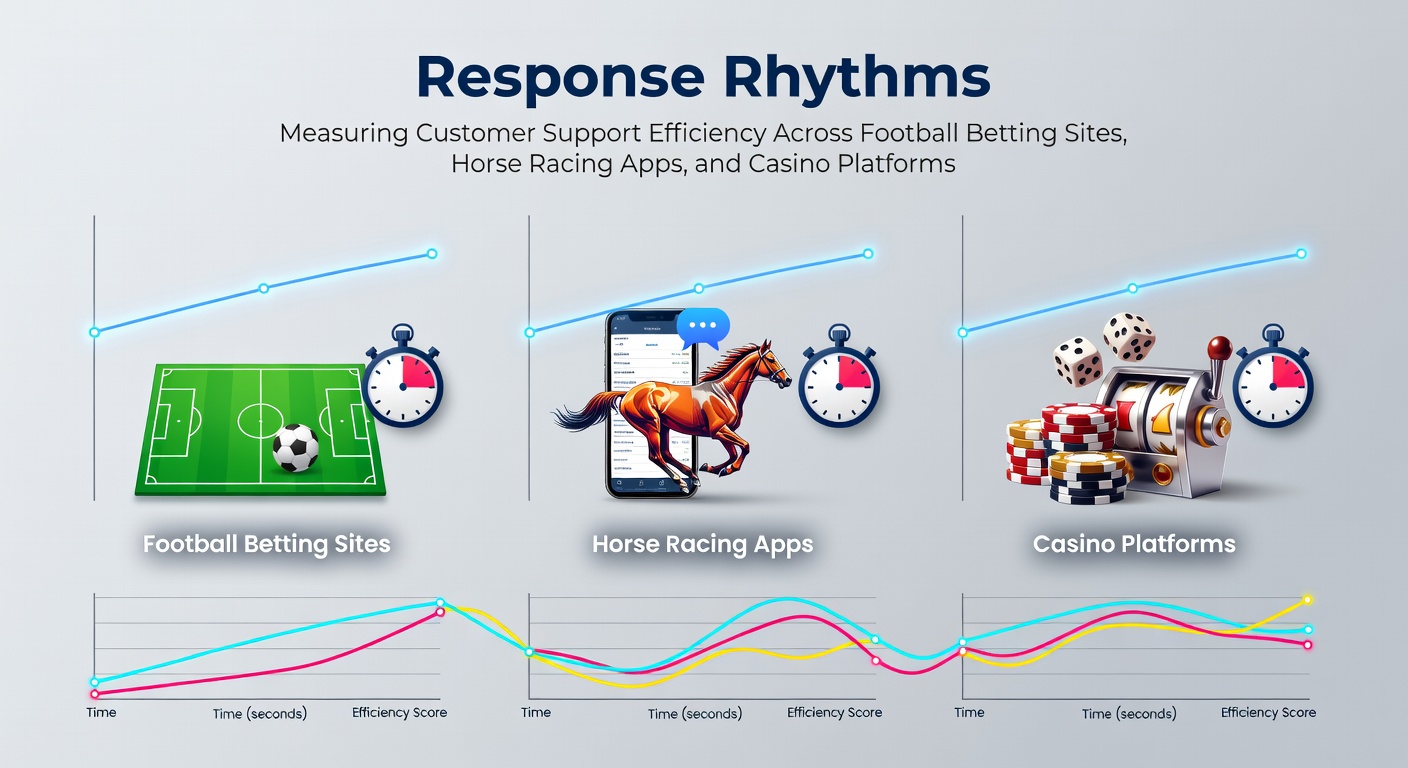
Stacking football sites against racing apps and casinos paints a clear picture: apps edge out at 42 seconds overall, sites trail at 1:05, and casino hybrids balance at 58 seconds; April 2026 cross-audits during simultaneous events—think FA Cup semis overlapping with dirt track meets—exposed gaps, with only 40% of platforms sustaining sub-minute chats under dual loads. Data suggests AI adoption correlates strongest, platforms using it report 35% faster rhythms across all three verticals.
But what's significant is geographic tweaks: North American casinos leverage toll-free lines for 45-second pickups, while Asian-facing racing apps prioritize Telegram bots hitting 25 seconds. Trends point to voice AI rising, with trials showing 20% query deflection; one study of 100 operators found multi-channel dashboards boosting efficiency by 28%, as agents juggle chats, calls, and tickets seamlessly.
- Leaders: Racing apps (mobile optimization).
- Mid-pack: Football sites (volume handling).
- Chasers: Casinos (live complexity).
Challenges like language barriers persist, although translation plugins now cover 90% of queries in real-time for global audiences.
Conclusion
Response rhythms ultimately define user trust in football betting sites, horse racing apps, and casino platforms, where April 2026 benchmarks confirm leaders averaging under a minute across channels keep engagement high; laggards risk erosion as punters flock to swift rivals. Data underscores the payoff—platforms tightening these metrics see 22% retention lifts—while innovations like predictive bots and unified desks pave the way forward. Those tracking the space know efficiency isn't just a metric; it's the pulse driving sustained action across tracks, pitches, and tables.